Ibogaine Seeds: History, Cultivation, Uses, and Market Guide
Introduction to Ibogaine Seeds
Ibogaine seeds come from the Tabernanthe iboga plant, a slow-growing shrub native to Central and West Africa, especially Cameroon and Gabon. These seeds attract attention from botanists, researchers, and collectors because they represent one of the most culturally and scientifically significant plants in African ethnobotany. In this guide, you will learn about their origin, historical importance, cultivation process, and modern-day uses in research and botanical studies.
This article focuses on educational insights, helping you understand how these seeds grow, why they matter, and what makes them valuable in botanical collections and cultivation projects.
Botanical Background and Natural Origin
The Tabernanthe iboga plant grows naturally in rainforest regions with high humidity, rich soil, and stable tropical temperatures. Cameroon provides one of the most suitable environments for this plant due to its dense forest ecosystem and nutrient-rich land.
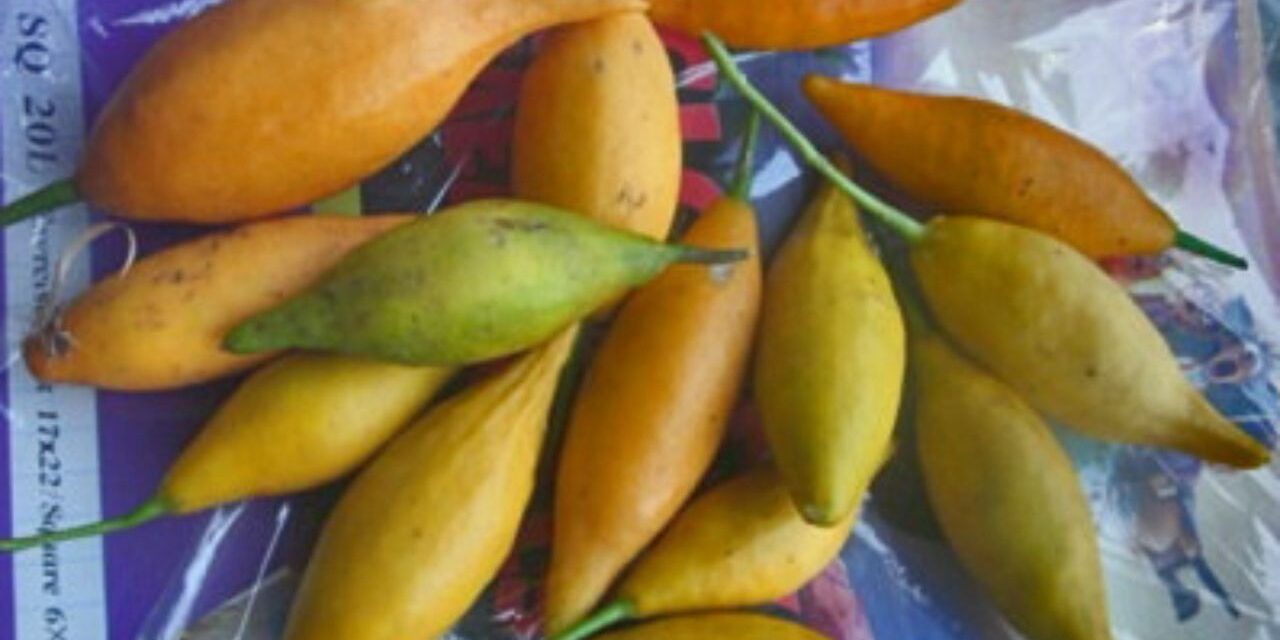
The plant develops slowly, forming a woody shrub that produces small, orange-yellow fruits. Inside these fruits, the seeds develop and mature under natural conditions. Farmers and local harvesters collect them carefully after maturity to ensure viability and quality.
These seeds require specific environmental conditions to germinate. They respond best to warm temperatures, consistent moisture, and shaded environments during early growth stages. Because of this sensitivity, growers often treat them as high-value botanical specimens rather than ordinary garden seeds.
Historical Significance and Traditional Use
The history of Tabernanthe iboga stretches back centuries in Central African cultures. Indigenous communities used the plant in traditional ceremonies and spiritual practices. It played a central role in initiation rites and cultural rituals, especially within the Bwiti spiritual tradition.
Over time, explorers and researchers documented the plant’s importance and introduced it to global botanical studies. This exposure increased international interest in its seeds, especially among researchers studying ethnobotany, tropical plants, and cultural plant use.
Today, Tabernanthe iboga continues to attract scientific attention due to its complex biochemical composition and unique growth characteristics. However, its seeds remain primarily valued for botanical research, cultivation studies, and collection purposes.
Cultivation Process and Germination Requirements
Successful cultivation depends on controlled environmental conditions. Growers who work with these seeds must understand their sensitivity and slow germination cycle.
To improve results, maintain the following conditions:
- Warm temperature between 24°C and 30°C
- High humidity levels above 70%
- Well-draining, nutrient-rich soil
- Partial shade during early growth stages
- Consistent moisture without waterlogging
Seeds may take several weeks or even months to germinate depending on environmental stability. Patience plays a key role in successful cultivation.
Many growers pre-soak seeds in clean water before planting to improve hydration. Others use greenhouse setups to maintain stable humidity and temperature. These methods help increase germination success rates and support early plant development.
Scientific and Educational Value
Researchers and botanists study Tabernanthe iboga seeds for multiple reasons. They provide insight into tropical plant adaptation, seed dormancy behavior, and rainforest biodiversity.
Educational institutions often include them in ethnobotanical studies to help students understand the relationship between plants and traditional cultures. In addition, botanical gardens use them for conservation and educational displays.
Because of their unique origin and slow growth cycle, these seeds hold value beyond simple cultivation. They represent an important link between ecology, culture, and scientific research.
Modern Interest and Global Demand
Global interest in Tabernanthe iboga has grown steadily due to its rarity and botanical uniqueness. Collectors and researchers seek high-quality seeds sourced from reliable environments such as Cameroon.
The demand remains strong in regions where import regulations allow cultivation for research and educational use. As a result, suppliers focus on proper selection, careful harvesting, and secure packaging to maintain seed viability during international transport.
This growing interest has also encouraged better awareness of sustainable harvesting practices and ethical sourcing from natural environments.
Quality Selection and Seed Handling
High-quality seeds come from mature plants grown under optimal conditions. Careful selection plays a major role in ensuring strong germination potential.
Harvesters typically collect seeds only after full maturity. They clean and dry them under controlled conditions before storage. Proper handling reduces damage and preserves natural viability.
Storage conditions also affect quality. Seeds remain more viable when stored in cool, dry, and stable environments before shipment. These practices help maintain consistency for buyers who use them in cultivation or research.
Common Challenges in Growing
Although rewarding, growing these seeds presents several challenges:
- Slow germination timeline
- Sensitivity to temperature changes
- Risk of overwatering or fungal growth
- Requirement for stable humidity control
Growers must maintain consistent care throughout the early stages. Any environmental fluctuation can delay or reduce germination success.
Despite these challenges, successful cultivation provides valuable experience for botanical enthusiasts and researchers.
Ethical and Responsible Use
Anyone working with these seeds should follow local regulations and ethical guidelines. Responsible sourcing ensures sustainability and supports local communities involved in harvesting.
Researchers and collectors must also respect the ecological importance of the plant and avoid overharvesting in natural habitats. Sustainable practices help preserve biodiversity for future generations.
Market Availability and Sourcing
Reliable sourcing remains important when purchasing Tabernanthe iboga seeds. Buyers should always verify origin, freshness, and handling practices before making a purchase.
We provide carefully selected seeds sourced directly from Cameroon. Each batch undergoes quality checks to ensure freshness and viability before shipping.
For purchasing and inquiries, visit: Fresh Ibogaine Seeds for Sale:
For direct support or bulk orders, contact us on WhatsApp +237 652 676 967
We also assist wholesale buyers, researchers, and collectors who require larger quantities or detailed sourcing information.
Conclusion
Understanding ibogaine seeds requires more than basic botanical knowledge. These seeds carry historical, cultural, and scientific importance that continues to attract global interest. From their rainforest origin in Cameroon to their role in research and education, they represent a unique part of tropical plant heritage.
Careful cultivation, responsible sourcing, and proper handling ensure better results for growers and researchers alike. As demand grows, quality and authenticity remain the most important factors when selecting seeds for any purpose.
Call to Action
For freshly harvested, carefully selected seeds from Cameroon, explore our official platform and product range.
Website: https://Ibogainee.com
For orders, inquiries, or bulk supply requests, contact us directly:
WhatsApp / Call: +237 652 676 967
Message us today on WhatsApp to check availability, request pricing, or place your order for premium seed supply and related Iboga products.