The Iboga plant (Tabernanthe iboga) is one of the world’s most discussed and culturally significant botanical species. Native to parts of Central Africa, this evergreen shrub has drawn interest for its long-standing traditional role, distinctive appearance, and the scientific attention surrounding its naturally occurring compounds.
If you’ve searched for terms like “What is iboga?”, “Iboga plant benefits,” or “Tabernanthe iboga facts,” this guide explores the history, characteristics, and broader context behind this remarkable plant.
What Is the Iboga Plant?
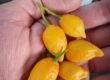
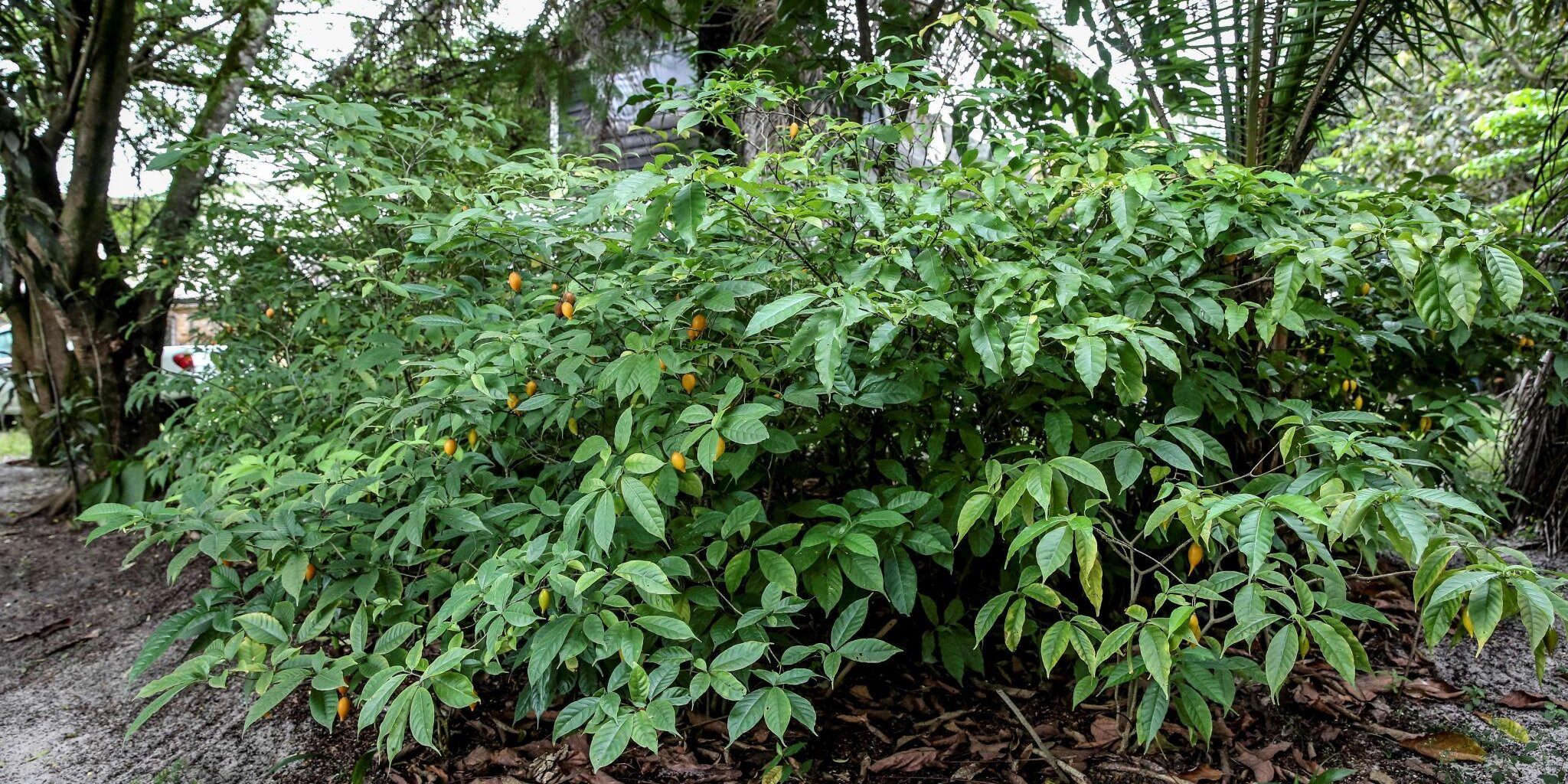
Iboga is a perennial rainforest shrub belonging to the Apocynaceae family. It grows primarily in regions of Gabon, Cameroon, and nearby parts of Central Africa. The plant is recognized for its elongated green leaves, clusters of small flowers, and root system that has historically held cultural importance.
Over time, iboga became known internationally because of interest in its naturally occurring alkaloids and ongoing scientific discussion surrounding them.
Botanical Characteristics of Tabernanthe Iboga
The iboga plant stands out due to several recognizable features:
- Evergreen shrub growth habit
- Smooth bark and dense foliage
- Narrow, glossy green leaves
- Small flowers that may appear white to pinkish
- Native adaptation to humid tropical environments
These botanical traits have made iboga a notable subject among plant enthusiasts, ethnobotanical researchers, and those interested in traditional African flora.
Traditional and Cultural Importance
For generations, iboga has been associated with ceremonial and traditional practices among certain communities in Central Africa, particularly within cultural and spiritual contexts.
Its historical significance extends beyond the plant itself and includes traditions related to community, ritual, and heritage.
Understanding iboga through this broader lens helps place modern curiosity into appropriate cultural context rather than viewing it simply as a trending botanical topic.
Why the Iboga Plant Attracts Global Interest
Interest in the iboga plant has increased due to:
- Ethnobotanical research
- Botanical conservation discussions
- Cultural and historical studies
- Scientific investigation into plant compounds
- Growing public interest in unique traditional plants
Researchers continue to study iboga from botanical and scientific perspectives, contributing to wider conversations about plant diversity and traditional knowledge systems.
Iboga Plant Habitat and Growing Conditions
In its natural environment, iboga typically thrives in:
- Warm tropical climates
- Humid rainforest ecosystems
- Rich, well-drained soil
- Partial shade conditions
Its specialized growing requirements make it distinct from many commonly cultivated ornamental shrubs.
Frequently Asked Questions
Is iboga a flowering plant?
Yes. Iboga produces small flowers and belongs to the flowering plant family Apocynaceae.
Where does iboga naturally grow?
Its native range is primarily located in parts of Central Africa.
Why is iboga well known?
Iboga is recognized for its traditional cultural significance, distinctive botanical profile, and scientific interest.
Final Thoughts
The Iboga plant (Tabernanthe iboga) remains one of the most fascinating botanical species connected to traditional heritage and modern scientific curiosity. Whether your interest comes from botany, cultural history, or plant research, learning about iboga offers a deeper appreciation for the diversity and significance of the natural world.
Exploring plants responsibly starts with understanding their origins, context, and the traditions connected to them.