Tabernanthe iboga Seeds
Tabernanthe iboga Seeds: Botanical Overview, Traditional Use, and Key Information is an important topic for anyone interested in African medicinal plants, ethnobotany, and rainforest biodiversity. These seeds belong to one of Central Africa’s most fascinating botanical species. Researchers, collectors, and plant enthusiasts value them because they represent the beginning of the life cycle of a remarkable evergreen shrub that has attracted scientific and cultural interest for generations.
Understanding the botanical characteristics, historical significance, and cultivation requirements of these seeds helps readers appreciate their place in nature while encouraging responsible handling and conservation.
What Are Tabernanthe iboga Seeds?
Tabernanthe iboga seeds come from Tabernanthe iboga, a slow-growing evergreen shrub in the Apocynaceae family. The plant grows naturally in the tropical rainforests of Central and West Africa, especially in Cameroon, Gabon, Equatorial Guinea, and the Republic of the Congo.
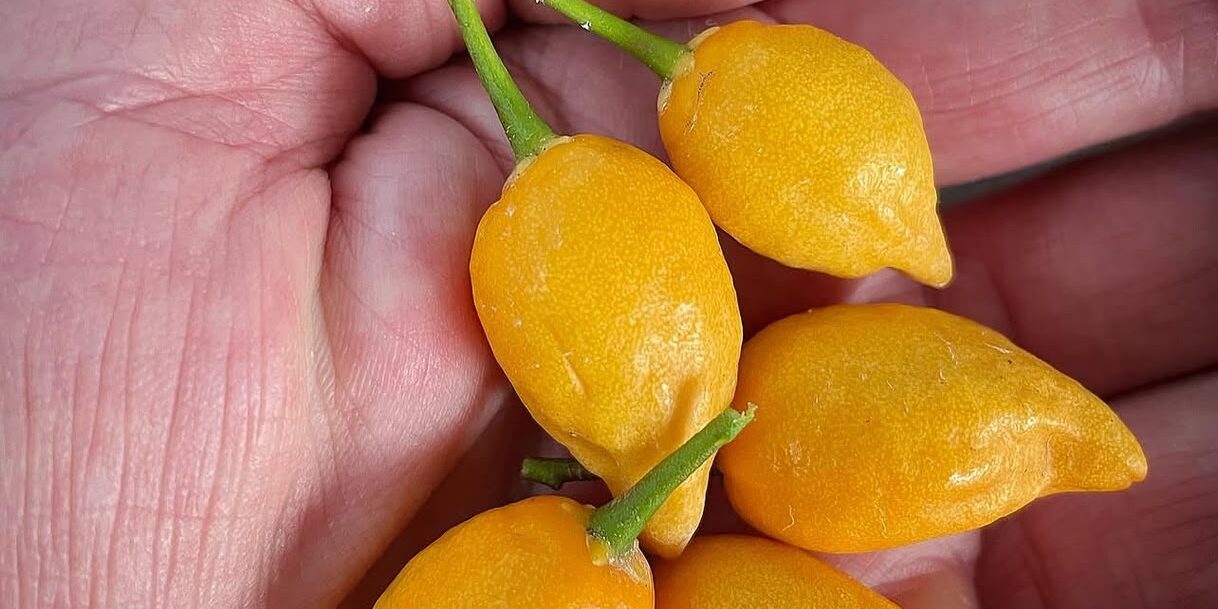
The shrub produces orange-colored fruits that contain numerous small seeds. Once mature, these seeds can germinate under suitable environmental conditions to develop into healthy young plants. Successful germination depends on warmth, moisture, humidity, and fresh planting material.
Because the plant develops slowly, growers often exercise patience during cultivation. Healthy seedlings require consistent care before they become established shrubs.
Botanical Characteristics
Several features make this rainforest species unique.
Key botanical characteristics include:
- Evergreen shrub with glossy green foliage
- Belongs to the Apocynaceae plant family
- Produces fragrant white to pale pink flowers
- Bears orange fruits containing multiple seeds
- Thrives in humid tropical rainforest climates
- Develops an extensive root system over time
Although the mature root bark receives significant scientific attention due to its naturally occurring alkaloids, the seeds themselves primarily serve as the plant’s reproductive structure and remain valuable for botanical cultivation and conservation.
Native Habitat
The natural habitat consists of warm, shaded rainforest environments where rainfall remains abundant throughout much of the year.
Ideal growing conditions include:
- Rich organic soil
- Excellent drainage
- High humidity
- Partial shade
- Warm temperatures
- Consistent moisture without waterlogging
These environmental conditions support healthy seed germination and steady plant development.
Traditional Cultural Importance
For centuries, indigenous communities in parts of Central Africa have maintained a close relationship with Tabernanthe iboga. The plant occupies an important place within certain traditional cultural and spiritual practices that have been passed through generations.
Traditional knowledge surrounding the species includes careful harvesting methods, conservation practices, and respect for the rainforest ecosystem where it naturally grows.
Today, ethnobotanists continue studying these historical traditions to better understand the relationship between indigenous knowledge and plant biodiversity.
Botanical Research Interest
Scientists have shown growing interest in this remarkable species because of its complex chemical composition and ecological importance.
Research areas include:
- Plant taxonomy
- Rainforest ecology
- Seed germination
- Conservation biology
- Ethnobotany
- Natural product chemistry
- Sustainable cultivation practices
Botanical gardens and research institutions also contribute to preserving genetic diversity through cultivation and seed conservation projects.
Germination and Cultivation
Growing this species from seed requires patience and attention to detail.
Several factors improve germination success:
Fresh Seeds
Freshly harvested seeds generally perform better than older stored material because viability gradually declines over time.
Warm Environment
Temperatures between approximately 24°C and 30°C provide favorable conditions for germination.
Moist Growing Medium
A light, well-draining growing medium helps prevent excess moisture while supporting root development.
Humidity
Consistent humidity supports early seedling growth and reduces environmental stress.
Patience
Some seeds germinate within several weeks, while others require additional time depending on growing conditions and seed quality.
Conservation Matters
Rainforest ecosystems continue facing pressure from habitat loss, deforestation, and unsustainable harvesting practices. Conservation efforts help protect both the species and the broader biodiversity of Central African forests.
Responsible cultivation can reduce pressure on wild populations while supporting botanical preservation.
Conservation priorities include:
- Protecting native rainforest habitats
- Supporting sustainable cultivation
- Encouraging ethical sourcing
- Preserving genetic diversity
- Promoting scientific research
- Educating future generations about rainforest plants
These initiatives contribute to long-term ecological sustainability.
Interesting Facts
Many plant enthusiasts appreciate learning more about this unique species.
Some interesting facts include:
- The shrub may live for many decades under favorable conditions.
- It naturally grows beneath taller rainforest trees.
- The fruits develop a bright orange color when mature.
- Seeds serve as the primary method of natural reproduction.
- The plant belongs to one of the world’s most diverse flowering plant families.
- Researchers continue discovering new information about its ecology and biology.
Responsible Handling
Anyone interested in botanical cultivation should obtain seeds from reputable, responsibly sourced suppliers that support sustainable harvesting and conservation practices.
Following local laws and regulations regarding cultivation, transport, and research remains essential. Ethical sourcing helps protect natural populations while encouraging responsible botanical study.
Frequently Asked Questions
How long do the seeds take to germinate?
Germination time varies depending on freshness, humidity, temperature, and overall growing conditions. Some seeds sprout within several weeks, while others require more time.
Where does the plant naturally grow?
Its native range includes tropical rainforests of Cameroon, Gabon, Equatorial Guinea, and the Republic of the Congo.
What type of climate supports healthy growth?
Warm temperatures, high humidity, filtered sunlight, and well-drained organic soil provide favorable growing conditions.
Why are botanists interested in this species?
Researchers study its ecology, taxonomy, conservation, ethnobotanical history, and naturally occurring plant compounds.
Final Thoughts
Learning about this remarkable rainforest species provides valuable insight into Central Africa’s rich botanical heritage. From seed germination to mature plant development, every stage reflects the complexity of tropical ecosystems and the importance of conservation.
Whether your interest lies in botany, ethnobotany, plant conservation, or tropical horticulture, understanding this unique species encourages greater appreciation for one of Africa’s most remarkable native plants.
Contact Us for Premium Ibogaine Products
Looking for premium-quality Ibogaine products from a trusted source?
Visit Ibogainee.com to explore our carefully selected range of Ibogaine products and learn more about our commitment to quality and responsible sourcing.
Contact us today:
📞 Phone: +237 652 676 967
💬 WhatsApp (Call or Message): +237 652 676 967
Our knowledgeable team is available to answer your questions, provide product information, and assist you with your order. Visit Ibogainee.com today to discover our premium Ibogaine product collection.