If you’re searching for “where to buy iboga plant seeds,” it is important to understand the plant, its botanical background, and the legal and safety considerations that may apply before attempting to obtain or grow it.
Iboga, scientifically known as Tabernanthe iboga, is a shrub native to parts of Central Africa. It has a long cultural history, particularly within traditional practices in Central African communities. The plant is also known because its roots contain ibogaine, a psychoactive alkaloid that has been the subject of scientific and medical research.
What Is the Iboga Plant?
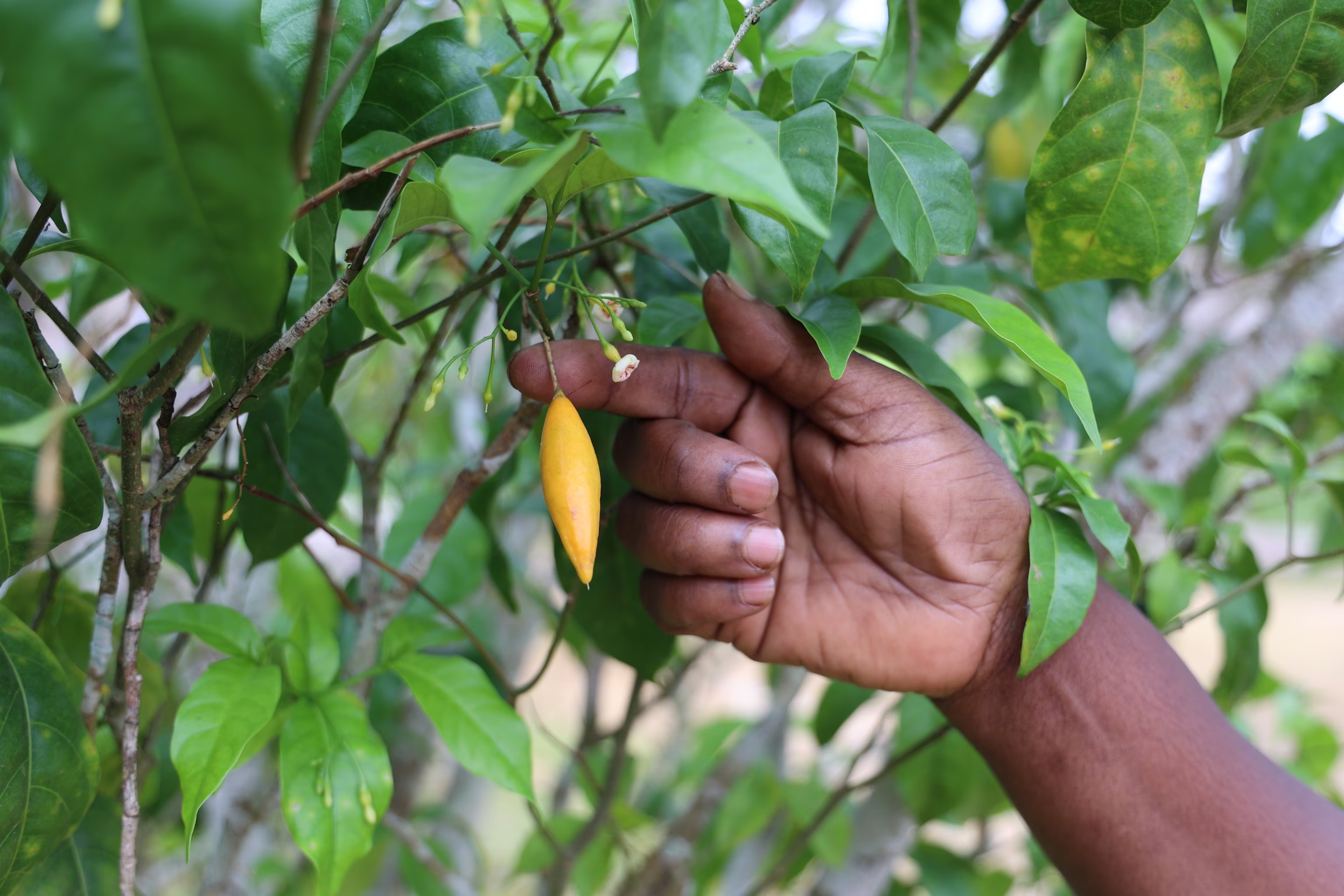
Tabernanthe iboga is an evergreen shrub belonging to the Apocynaceae family. It naturally occurs in tropical regions of Central Africa and can grow into a small shrub or tree under suitable environmental conditions.
The plant is particularly notable because different parts contain naturally occurring alkaloids, including ibogaine. This chemical composition is one reason iboga has attracted considerable interest from researchers.
Why Are People Interested in Iboga Seeds?
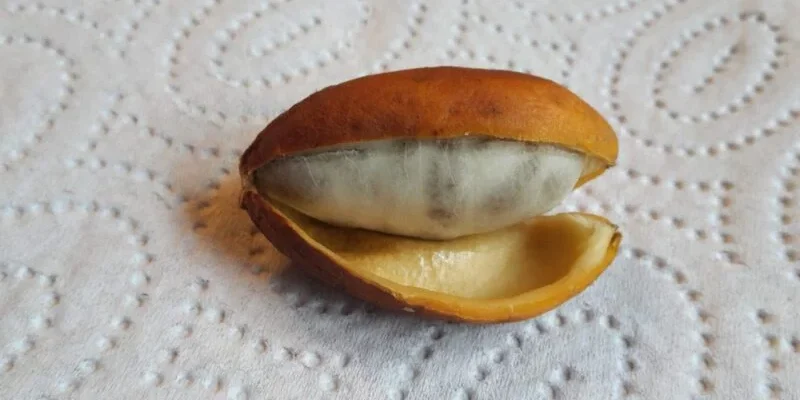
People researching iboga plant seeds may be interested in botanical cultivation, ethnobotany, conservation, or academic research. Seeds can also be relevant to efforts aimed at preserving plant species outside their native habitats.
However, obtaining seeds is not simply a matter of finding an online supplier. Availability, importation, cultivation, and possession can be affected by local laws and plant-protection regulations.
Check Local Laws Before Obtaining Seeds
One of the most important considerations when researching where to buy Tabernanthe iboga seeds is legality.
Laws concerning iboga plants and ibogaine vary considerably between jurisdictions. In the United States, the DEA lists ibogaine as a Schedule I controlled substance. The agency identifies ibogaine as a constituent of the Tabernanthe iboga plant.
Importation and cultivation rules can also involve separate agricultural or biosecurity requirements. Consequently, prospective growers should consult the relevant authorities in their own jurisdiction rather than assuming that seeds are legal simply because they are marketed online.
Ibogaine and Safety Considerations
The presence of ibogaine makes Tabernanthe iboga different from an ordinary ornamental plant.
Scientific literature has documented potentially serious adverse effects associated with ibogaine, including cardiac rhythm abnormalities and QT-interval prolongation.
There have also been reports involving products purchased online that were incorrectly identified as iboga, demonstrating the importance of product identity and botanical authentication.
For these reasons, iboga and ibogaine should not be treated as ordinary herbal products or dietary supplements.
Botanical Research and Conservation
For legitimate iboga botanical research, researchers may focus on plant identification, propagation, habitat conservation, traditional ethnobotanical knowledge, and the chemistry of Tabernanthe species.
Anyone considering cultivation should first establish whether possession and propagation are permitted locally and whether additional permits or plant-import documentation are required.
Final Thoughts
Searching for “where to buy iboga plant seeds” raises questions that go beyond availability. Tabernanthe iboga has important botanical and cultural significance, but its association with ibogaine also creates significant legal and safety considerations.
Before attempting to obtain, import, cultivate, or use iboga, check the regulations applicable to your location and consult authoritative botanical, agricultural, or legal sources.
For general information about iboga and related topics, you can also visit Ibogainee.com. This should not be taken as an endorsement of purchasing or using iboga or ibogaine, and local laws and professional safety guidance should always take priority.
Where to Buy Iboga Plant Seeds? A Guide to Tabernanthe Iboga
If you’re searching for “where to buy iboga plant seeds,” it is important to understand the plant, its botanical background, and the legal and safety considerations that may apply before attempting to obtain or grow it.
Iboga, scientifically known as Tabernanthe iboga, is a shrub native to parts of Central Africa. It has a long cultural history, particularly within traditional practices in Central African communities. The plant is also known because its roots contain ibogaine, a psychoactive alkaloid that has been the subject of scientific and medical research.
What Is the Iboga Plant?
Tabernanthe iboga is an evergreen shrub belonging to the Apocynaceae family. It naturally occurs in tropical regions of Central Africa and can grow into a small shrub or tree under suitable environmental conditions.
The plant is particularly notable because different parts contain naturally occurring alkaloids, including ibogaine. This chemical composition is one reason iboga has attracted considerable interest from researchers.
Why Are People Interested in Iboga Seeds?
People researching iboga plant seeds may be interested in botanical cultivation, ethnobotany, conservation, or academic research. Seeds can also be relevant to efforts aimed at preserving plant species outside their native habitats.
However, obtaining seeds is not simply a matter of finding an online supplier. Availability, importation, cultivation, and possession can be affected by local laws and plant-protection regulations.
Check Local Laws Before Obtaining Seeds
One of the most important considerations when researching where to buy Tabernanthe iboga seeds is legality.
Laws concerning iboga plants and ibogaine vary considerably between jurisdictions. In the United States, the DEA lists ibogaine as a Schedule I controlled substance. The agency identifies ibogaine as a constituent of the Tabernanthe iboga plant.
Importation and cultivation rules can also involve separate agricultural or biosecurity requirements. Consequently, prospective growers should consult the relevant authorities in their own jurisdiction rather than assuming that seeds are legal simply because they are marketed online.
Ibogaine and Safety Considerations
The presence of ibogaine makes Tabernanthe iboga different from an ordinary ornamental plant.
Scientific literature has documented potentially serious adverse effects associated with ibogaine, including cardiac rhythm abnormalities and QT-interval prolongation.
There have also been reports involving products purchased online that were incorrectly identified as iboga, demonstrating the importance of product identity and botanical authentication.
For these reasons, iboga and ibogaine should not be treated as ordinary herbal products or dietary supplements.
Botanical Research and Conservation
For legitimate iboga botanical research, researchers may focus on plant identification, propagation, habitat conservation, traditional ethnobotanical knowledge, and the chemistry of Tabernanthe species.
Anyone considering cultivation should first establish whether possession and propagation are permitted locally and whether additional permits or plant-import documentation are required.
Final Thoughts
Searching for “where to buy iboga plant seeds” raises questions that go beyond availability. Tabernanthe iboga has important botanical and cultural significance, but its association with ibogaine also creates significant legal and safety considerations.
Before attempting to obtain, import, cultivate, or use iboga, check the regulations applicable to your location and consult authoritative botanical, agricultural, or legal sources.
For general information about iboga and related topics, you can also visit Ibogainee.com. This should not be taken as an endorsement of purchasing or using iboga or ibogaine, and local laws and professional safety guidance should always take priority.