

Description
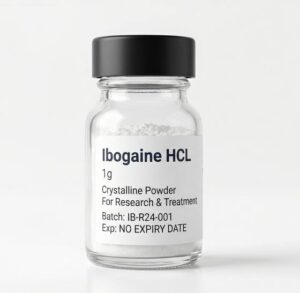
Ibogaine hydrochloride is a purified salt form of ibogaine, a naturally occurring psychoactive alkaloid derived from the root bark of the Tabernanthe iboga shrub, which is native to Central Africa. Ibogaine has attracted scientific interest for its potential effects on the central nervous system and is being studied for possible applications in addiction research and neuroscience. However, ibogaine is not approved as a medicine in many countries, and its use carries significant health risks, including potentially serious cardiovascular complications.
Research suggests that ibogaine interacts with multiple neurotransmitter systems, including NMDA, serotonin, dopamine, and opioid receptors, making it a unique compound for scientific investigation. Because of its complex pharmacological profile, researchers continue to study its mechanisms of action and potential therapeutic applications under carefully controlled conditions.
Ibogaine administration has been associated with serious adverse effects, including abnormal heart rhythms, seizures, and, in rare cases, death. For this reason, any research involving ibogaine requires appropriate ethical oversight, medical supervision, and adherence to applicable regulations.
The legal status of ibogaine hydrochloride varies significantly between countries, with some jurisdictions restricting or prohibiting its manufacture, sale, possession, or use. Researchers and institutions working with ibogaine should ensure compliance with all relevant laws, regulatory requirements, and laboratory safety standards.
As scientific investigation continues, additional clinical research is needed to better understand ibogaine’s safety profile, effectiveness, dosing considerations, and long-term outcomes before broader medical use can be established.






Reviews
There are no reviews yet.