Wenn Sie forschen Wo finde ich IbogaDer erste Schritt besteht darin, zu verstehen, was Iboga ist, wo es seinen Ursprung hat, wie es traditionell verwendet wurde und wie es sich von Ibogain unterscheidet. Iboga, wissenschaftlich bekannt als Tabernanthe iboga, ist ein Strauch aus Zentral- und West-Zentralafrika. Seine Wurzelrinde enthält mehrere natürlich vorkommende Alkaloide, darunter Ibogain, das erhebliches wissenschaftliches Interesse auf sich gezogen hat.
Heute, Interesse an Ibogain und Ibogain Es geht über traditionelle Einstellungen hinaus. Die Forscher untersuchen weiterhin die mögliche Rolle von Ibogain in der Forschung zu Substanz-Nutzungs-Störungen. Die Beweise entwickeln sich jedoch weiter, und die jüngsten Überprüfungen betonen, dass ernsthafte Fragen zur Wirksamkeit, Standardisierung, Regulierung und Herzsicherheit bestehen bleiben.
Daher sollte das Finden von Informationen über iboga mehr beinhalten als das Auffinden einer kommerziellen Quelle. Das Verständnis von Authentizität, Legalität, Vorbereitung und Sicherheit ist ebenso wichtig.
Was ist Iboga?
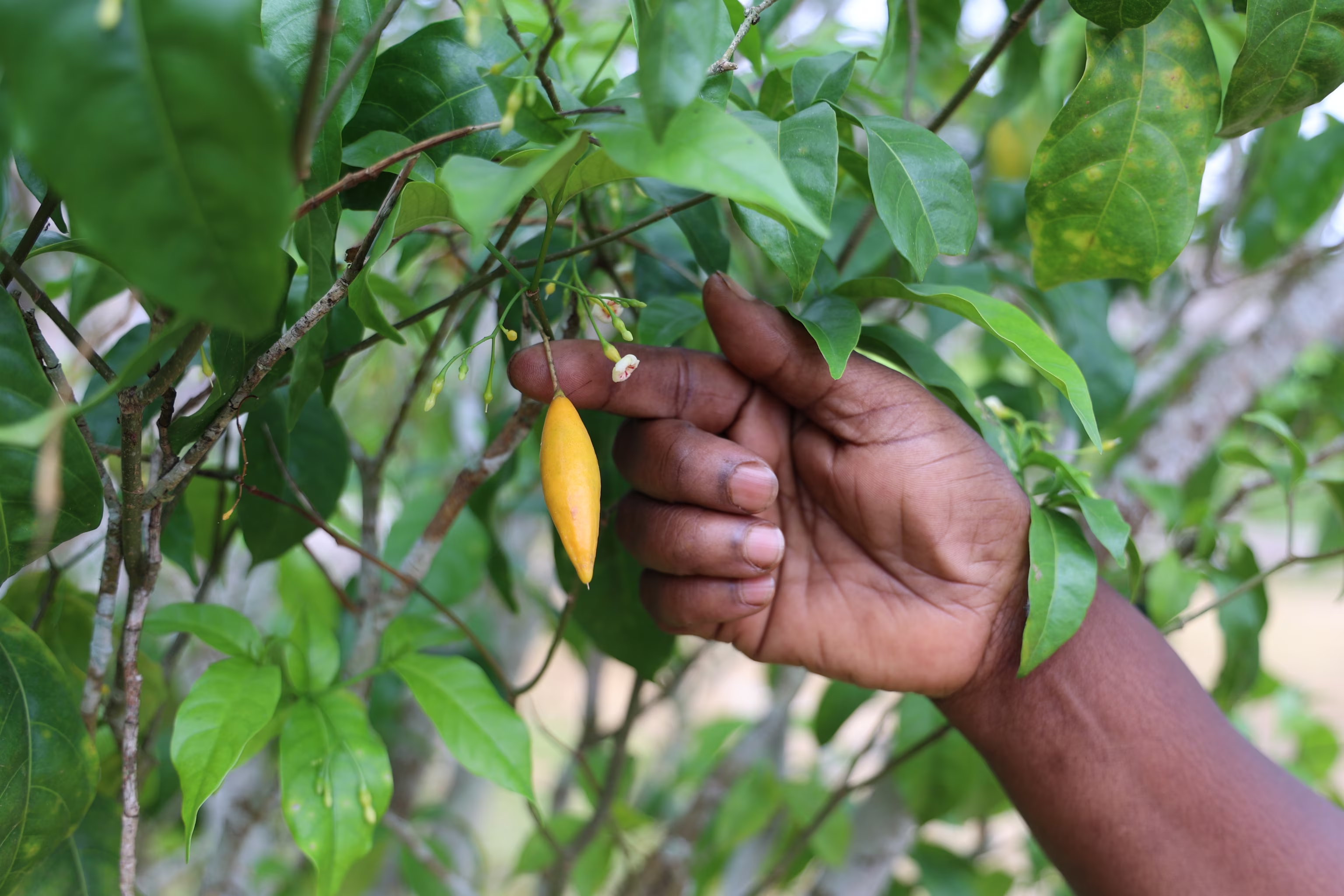
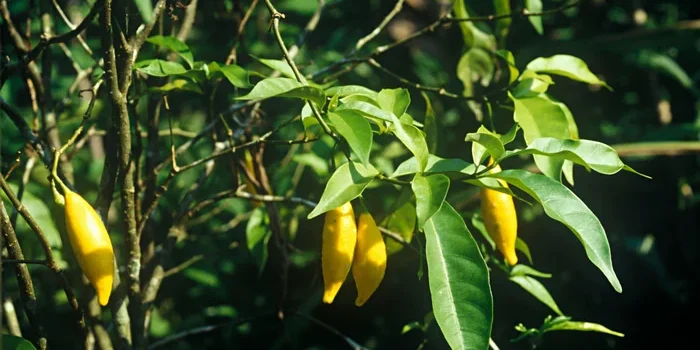
Iboga ist ein immergrüner Strauch der Familie der Apocynaceae. Es wächst natürlich in Teilen von Zentral- und West-Zentralafrika, einschließlich Gabun, Kamerun und der Republik Kongo.
Die Pflanze hat eine langjährige kulturelle Bedeutung unter den Gemeinschaften, die Bwiti-Traditionen praktizieren. Historische und ethnobotanische Forschung dokumentiert seine Verwendung in spirituellen und Initiationszeremonien.
Die Wurzelrinde enthält eine komplexe Mischung von Alkaloiden. Ibogain ist die bekannteste Verbindung, obwohl Forscher zahlreiche andere Bestandteile in Tabernanthe iboga.
Diese Unterscheidung ist wichtig, weil Iboga und gereinigtes Ibogain keine identischen Produkte sind.
Woher kommt Iboga?
Natürliches Iboga stammt aus tropischen Regionen Zentralafrikas. Wissenschaftliche Literatur identifiziert Tabernanthe iboga als Anlage, die insbesondere mit zentralafrikanischen Ländern, einschließlich Gabun und Kamerun, assoziiert ist.
Seine geographische Herkunft erklärt auch, warum Suchen wie Iboga Kamerun, Iboga Gabun, und Afrikanischer Iboga erscheinen häufig unter Menschen, die die Pflanze erforschen.
Der geografische Ursprung allein bestimmt jedoch nicht die Qualität oder Sicherheit einer bestimmten Zubereitung. Produkte können sich in ihrer botanischen Zusammensetzung, Verarbeitung, Konzentration und Lagerung erheblich unterscheiden.
Wo finden Sie Iboga Informationen
Menschen suchen Wo finde ich Iboga kann mit mehreren zuverlässigen Informationsquellen beginnen.
Akademische Forschung
Wissenschaftliche Publikationen bieten Informationen über die Chemie von iboga, die traditionelle Verwendung, die Pharmakologie und mögliche therapeutische Anwendungen.
Forscher haben Ibogain seit Jahrzehnten untersucht, insbesondere aufgrund von Beobachtungen mit Substanzstörungen. Dennoch beschreibt die neueste klinische Literatur die Beweise weiterhin als explorativ und nicht als schlüssig.
Ethnobotanische Ressourcen
Ethnobotanische Forschung kann den Lesern helfen, die Kulturgeschichte von iboga zu verstehen. Dies ist besonders nützlich für alle, die sich für die Beziehung zwischen Tabernanthe iboga Traditionelle zentralafrikanische Praktiken.
Berufsverbände
Gesundheits- und wissenschaftliche Organisationen können zusätzliche Informationen über psychoaktive Substanzen, klinische Forschung und mögliche Risiken bereitstellen.
Bildungs Iboga Websites
Spezialisierte Websites können auch Hintergrundinformationen über iboga, seine Geschichte, den traditionellen Kontext und die aktuelle Forschung liefern. Die Leser sollten jedoch gesundheitsbezogene Angaben sorgfältig bewerten und Bildungsinformationen von medizinischen Ratschlägen unterscheiden.
Iboga gegen Ibogain
Eine der häufigsten Quellen der Verwirrung beinhaltet die Begriffe Iboga und Ibogain.
Iboga bezieht sich auf die Pflanze Tabernanthe iboga.
Ibogain bezieht sich auf ein psychoaktives Alkaloid, das auf natürliche Weise in der Pflanze vorkommt.
Eine Ganzpflanzenpräparation kann mehrere Alkaloide und andere Verbindungen enthalten. Eine Zubereitung, die isoliertes Ibogain enthält, hat ein anderes chemisches Profil.
Daher sollten Informationen über Ibogain nicht automatisch auf gereinigtes Ibogain angewendet werden oder umgekehrt.
Warum interessieren sich Menschen für Iboga?
Interesse an iboga hat mehrere Ursprünge.
Erstens hat die Pflanze eine bedeutende kulturelle und historische Bedeutung in Zentralafrika. Zweitens hat Ibogain wissenschaftliches Interesse geweckt, weil die Beobachtungsforschung Veränderungen bei Entzugserscheinungen und substanzkonsumbezogenen Ergebnissen gemeldet hat.
Jüngste Bewertungen warnen jedoch, dass ein Großteil der positiven klinischen Beweise aus Beobachtungs-, Retrospektiv- oder unkontrollierten Studien stammt. Eine Literaturrecherche von 2026 kam zu dem Schluss, dass noch stärkere klinische Studien erforderlich sind, um die Wirksamkeit zu ermitteln.
Diese Unterscheidung ist wichtig bei der Bewertung von Online-Behauptungen über iboga Vorteile oder Iboga-Behandlung.
Worauf sollten Sie bei der Erforschung einer Iboga-Quelle achten?
Wenn Sie Informationen oder eine mit iboga verbundene kommerzielle Organisation auswerten, sollten Sie Folgendes beachten:
Botanische Identifikation
Suche nach dem wissenschaftlichen Namen Tabernanthe iboga anstatt sich ausschließlich auf generische Begriffe wie "afrikanische Wurzel" oder "heilige Pflanze" zu verlassen.
Laborinformationen
Unabhängige Laboranalysen können Informationen über Zusammensetzung und mögliche Verunreinigungen liefern. Eine transparente Dokumentation ist nicht unterstützten Behauptungen über Reinheit oder Potenz vorzuziehen.
Klare Kennzeichnung
Eine seriöse Informationsquelle sollte Iboga, Iboga-Extrakte und Ibogain klar unterscheiden.
Rechtliche Informationen
Gesetze, die iboga und ibogaine regeln, schwanken zwischen Jurisdiktionen. Bevor Sie psychoaktives Pflanzenmaterial erhalten oder verwenden, überprüfen Sie die Vorschriften, die in Ihrem Standort gelten.
Evidenzbasierte Forderungen
Seien Sie vorsichtig bei Websites, die eine garantierte Suchtwiederherstellung, psychische Heilung, Entgiftung oder andere medizinische Ergebnisse versprechen.
Wissenschaftliche Erkenntnisse rechtfertigen derzeit nicht die Behandlung von Ibogain als eine bewährte Heilung für Substanzstörungen.
Iboga Sicherheit: Eine wichtige Überlegung
Jeder, der recherchiert Wo finde ich Iboga Auch die Sicherheit sollte erforscht werden.
Ibogain ist wegen seiner Auswirkungen auf die elektrische Herzaktivität besonders besorgt. Jüngste Literatur identifiziert weiterhin QT-Intervallverlängerung und ventrikuläre Arrhythmien als wichtige Risiken.
Forscher haben auch schwere kardiovaskuläre Ereignisse im Zusammenhang mit der Exposition gegenüber Ibogain dokumentiert, einschließlich gemeldeter Fälle von Herzstillstand.
Aus diesem Grund sollte Ibogain nicht als gewöhnliches pflanzliches Nahrungsergänzungsmittel angesehen werden. Medizinische Beurteilung und angemessene professionelle Aufsicht sind wichtige Überlegungen für jeden, der eine Behandlung im Zusammenhang mit Ibogain in Betracht zieht.
Ist Ibogain nachweislich zur Behandlung von Sucht geeignet?
Ibogain bleibt ein wichtiges thema der suchtforschung, aber aktuelle beweise etablieren es nicht als eine bewährte behandlung.
Eine Überprüfung von drei Jahrzehnten klinischer Literatur im Jahr 2026 ergab, dass positive Ergebnisse weitgehend aus unkontrollierter, retrospektiver oder Beobachtungsforschung stammen. Die Überprüfung hob auch ernsthafte Sicherheitsbedenken hervor, insbesondere Kardiotoxizität im Zusammenhang mit QT-Verlängerung.
Daher werden Begriffe wie Iboga-Behandlung, Ibogain-Behandlung, und Iboga für Sucht sollten eher als Forschungsthemen angegangen werden als als Garantien für den therapeutischen Erfolg.
Über Ibogainee.com
Für Leser, die eine Online-Ressource für iboga-Informationen suchen, Ibogainee.com kann als Ausgangspunkt für die Erforschung von Bildungsmaterial über iboga, seine zentralafrikanischen Ursprünge, traditionellen Hintergrund und verwandte Themen dienen.
Bevor Sie Entscheidungen in Bezug auf iboga oder ibogaine treffen, sollten die Besucher die geltenden Gesetze, Produktinformationen, Labordokumentation und angemessene Sicherheitsanforderungen unabhängig überprüfen.
Entdecken Sie Ibogainee.com: Ibogainee.com
Das Ziel sollte eine informierte Entscheidungsfindung sein, anstatt sich auf Werbeaussagen zu verlassen. Informationen von einer kommerziellen Website sollten neben unabhängigen wissenschaftlichen und medizinischen Quellen auch berücksichtigt werden.
Häufig gestellte Fragen zu Iboga
Wo finde ich iboga?
Iboga stammt aus Zentralafrika und ist mit traditionellen Praktiken in der Region verbunden. Menschen, die es erforschen, können mit akademischen, ethnobotanischen, wissenschaftlichen und Bildungsquellen beginnen.
Wo wächst Iboga auf natürliche Weise?
Tabernanthe iboga wächst natürlich in Teilen von Zentral- und West-Zentralafrika. Wissenschaftliche Literatur identifiziert Länder wie Gabun und Kamerun unter seinen geografischen Ursprüngen.
Ist Iboga dasselbe wie Ibogain?
Nein. Ibogain ist die Pflanze, während Ibogain eines seiner natürlich vorkommenden psychoaktiven Alkaloide ist.
Wofür wird iboga traditionell verwendet?
Iboga hat eine langjährige Rolle in bestimmten zentralafrikanischen spirituellen und Initiationstraditionen, insbesondere in Bwiti-Praktiken.
Ist Ibogain sicher?
Ibogain kann ernste Risiken tragen, insbesondere kardiovaskuläre Risiken. Jüngste Forschungen identifizieren weiterhin QT-Verlängerung und potenziell gefährliche Arrhythmien als wichtige Sicherheitsbedenken.
Ist Ibogain eine zugelassene Suchtbehandlung?
Sein regulatorischer status variiert je nach gerichtsbarkeit, und die aktuellen klinischen beweise sind nach wie vor unzureichend, um ibogain als bewährte behandlung für substanzstörungen zu etablieren.
Wie kann ich mehr über iboga erfahren?
Beginnen Sie mit begutachteter wissenschaftlicher Literatur, ethnobotanischer Forschung, qualifizierten Gesundheitsexperten und renommierten Bildungsressourcen wie Ibogainee.com.
Letzte Gedanken
Die Frage Wo finde ich Iboga hat eine breitere Antwort als nur die Identifizierung eines Lieferanten. Iboga hat tiefe kulturelle Wurzeln in Zentralafrika und enthält eine komplexe Mischung aus natürlich vorkommenden Alkaloiden, einschließlich Ibogain.
Gleichzeitig bleibt die moderne Forschung unvollständig. Obwohl Ibogain weiterhin Interesse an der Suchtforschung auf sich zieht, heben jüngste Überprüfungen Einschränkungen der klinischen Evidenz und erhebliche kardiovaskuläre Sicherheitsbedenken hervor.
Für alle, die Iboga erforschen, ist daher der beste Ausgangspunkt Bildung, Beweise, Rechtsbewusstsein und Sicherheit.
Um zusätzliche Informationen über iboga und verwandte Themen zu erfahren, besuchen Sie Ibogainee.com und ihre Informationen mit unabhängigen wissenschaftlichen und medizinischen Quellen vergleichen.