
Description
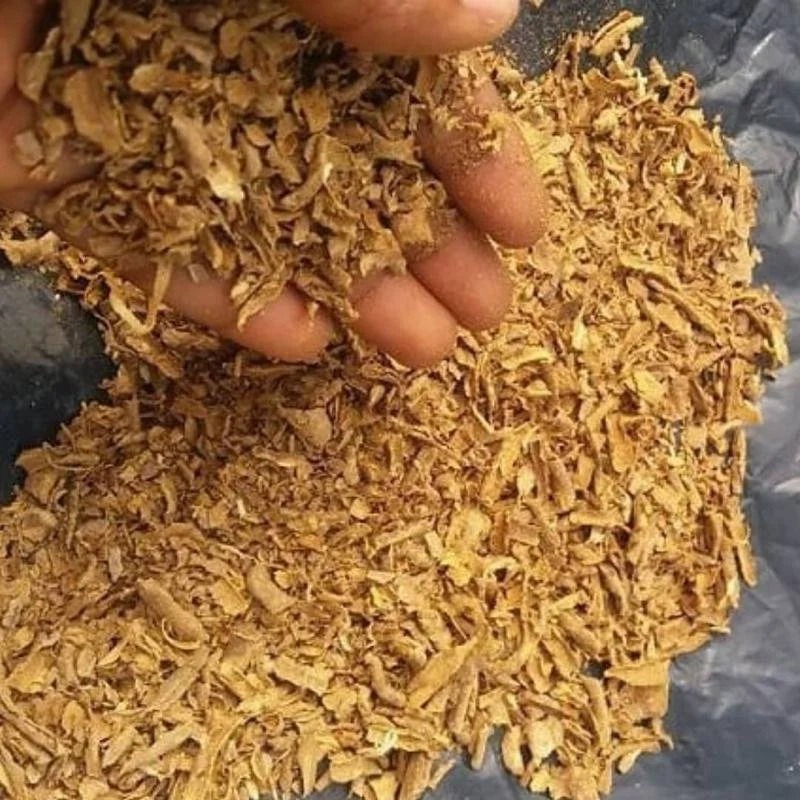
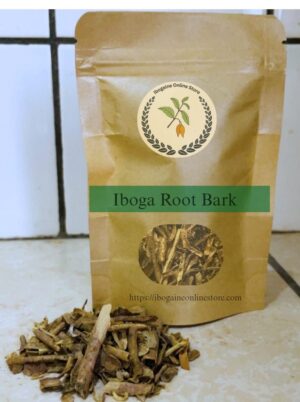
What Is Iboga Root Bark?
Tabernanthe iboga root bark comes from a shrub native to Central Africa, particularly regions of Gabon, Cameroon, and the Republic of Congo. Traditionally used in spiritual and ceremonial practices by the Bwiti tradition, iboga root bark has attracted international attention due to its naturally occurring alkaloids, including ibogaine.
Today, iboga root bark is often discussed in conversations surrounding ethnobotany, traditional plant knowledge, consciousness studies, and psychedelic research. Because of its potency and complex effects, iboga remains a subject of ongoing scientific, cultural, and legal discussion worldwide.
Traditional and Cultural Significance
For generations, iboga root bark has held ceremonial importance within Central African spiritual practices. In traditional contexts, it has been used under the guidance of experienced practitioners during rituals focused on reflection, spiritual connection, and community traditions.
The historical and cultural significance of iboga continues to be an important aspect of ethnobotanical education and research. Respect for indigenous knowledge and traditional practices remains essential when discussing this botanical.
Quality and Responsible Sourcing
When researching botanical products, many individuals prioritize transparency, authenticity, and responsible sourcing practices. Reputable botanical suppliers often focus on:
- Ethical sourcing standards
- Product traceability
- Careful harvesting methods
- Laboratory testing protocols
- Product purity and identification
Consumers interested in botanical materials should carefully review supplier information, product handling practices, and applicable regulations in their region before making purchasing decisions.
Important Safety Information
Iboga root bark is a powerful psychoactive botanical that may pose significant physical and psychological risks. Reported concerns include cardiovascular complications, interactions with medications, intense psychological effects, and other serious adverse reactions.
Because of these risks, iboga should not be used without appropriate medical awareness and professional guidance. Individuals with heart conditions, mental health disorders, neurological conditions, or those taking prescription medications may face elevated risks.
Important considerations include:
- Research local laws and regulations
- Consult a qualified healthcare professional
- Avoid combining with other substances or medications
- Understand potential psychological and physical risks
- Recognize that effects can vary widely between individuals
Legal Status of Iboga
The legal status of iboga and ibogaine differs significantly between countries and regions. Some jurisdictions regulate or prohibit possession, sale, or use, while others allow limited research or traditional ceremonial practices.
Before obtaining any iboga-related product, individuals should verify all local and national regulations to ensure compliance with applicable laws.
Botanical Research and Ongoing Interest
Interest in iboga continues within fields such as ethnobotany, anthropology, neuroscience, and psychedelic research. Researchers continue to study its historical use, pharmacology, and broader cultural context. However, scientific understanding is still evolving, and many questions surrounding safety, effectiveness, and long-term effects remain under investigation.


Reviews
There are no reviews yet.