
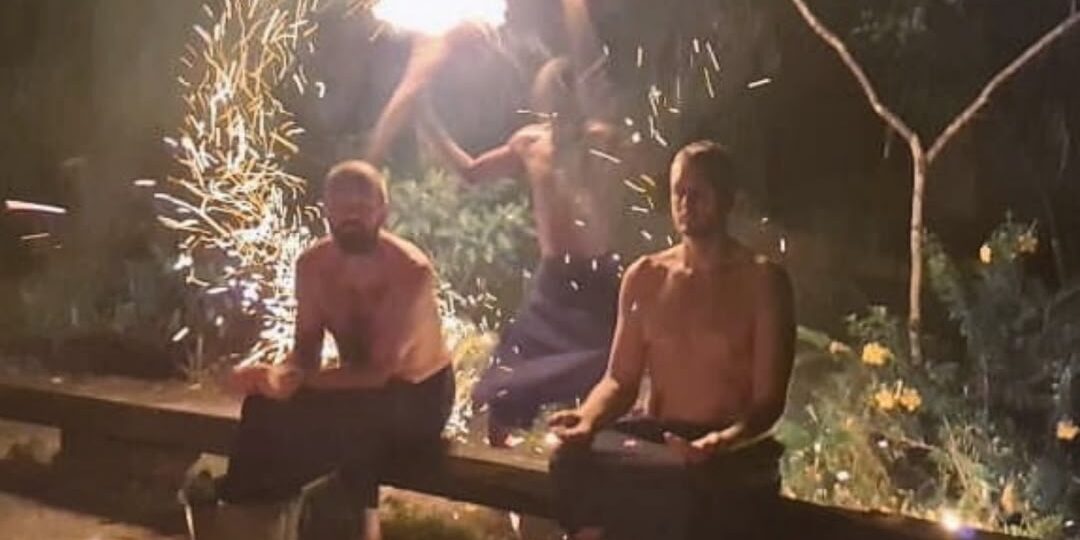
Iboga ceremony experiences have gained global attention as more people explore traditional plant medicine practices for personal growth, self-discovery, and spiritual development. Rooted in Central African traditions, this sacred practice has played an important role in cultural and spiritual communities for generations.
Many individuals seek information about this unique experience before deciding whether it aligns with their goals. Understanding the process, preparation, potential effects, and integration can help participants make informed decisions.
What Is an Iboga Ceremony?
An iboga ceremony is a structured spiritual and cultural practice that involves the use of iboga, a plant native to Central Africa. Indigenous communities, particularly within the Bwiti tradition of Gabon, have used this plant for centuries during rites of passage, healing rituals, and spiritual ceremonies.
The ceremony typically takes place under the guidance of experienced facilitators who help participants navigate the experience safely and respectfully. Music, prayer, reflection, and community support often play important roles throughout the process.
Historical and Cultural Significance
The use of iboga carries deep cultural roots. Traditional practitioners view the plant as a sacred tool that helps individuals connect with themselves, their ancestors, and their spiritual beliefs.
For many communities, iboga represents far more than a plant. It serves as a symbol of wisdom, transformation, and personal responsibility. As interest grows worldwide, many people seek to learn about its origins while respecting the traditions that have preserved its use for generations.
Preparing for the Experience
Proper preparation can influence the overall experience. Participants often spend time reflecting on their intentions and goals before attending an iboga ceremony.
Preparation may include:
- Maintaining a healthy lifestyle.
- Practicing mindfulness and meditation.
- Setting clear personal intentions.
- Learning about the cultural background of iboga.
- Following guidance provided by experienced facilitators.
Mental and emotional preparation also plays a significant role. Entering the ceremony with an open mind can help participants engage more fully with the process.
What Happens During the Ceremony?
An iboga ceremony can vary depending on the traditions and facilitators involved. However, most ceremonies share several common elements.
Participants usually gather in a dedicated ceremonial space where facilitators provide guidance and support. Traditional music, chanting, storytelling, and periods of reflection often accompany the experience.
Many individuals report heightened introspection during the ceremony. Some describe gaining new perspectives on personal challenges, relationships, life goals, and emotional patterns. Experiences differ from person to person, and no two journeys are exactly alike.
Potential Benefits
People explore iboga ceremonies for various reasons. While individual experiences vary, participants often report benefits such as:
Enhanced Self-Reflection
The experience may encourage deep personal examination. Many individuals use this opportunity to evaluate habits, beliefs, and life choices.
Spiritual Exploration
Some participants seek greater spiritual awareness and a stronger connection to their values and purpose.
Personal Growth
The ceremony can provide insights that support long-term personal development and positive lifestyle changes.
Emotional Awareness
Many people report increased understanding of their emotions and behavioral patterns, which may contribute to personal transformation.
The Importance of Integration
The period after an iboga ceremony often proves just as important as the ceremony itself. Integration involves applying insights gained during the experience to everyday life.
Effective integration strategies include:
- Journaling thoughts and reflections.
- Continuing mindfulness practices.
- Seeking guidance from experienced mentors.
- Participating in supportive communities.
- Creating realistic goals based on new insights.
Without integration, valuable lessons may fade over time. A structured approach helps transform insights into meaningful action.
Safety Considerations
Before participating in an iboga ceremony, individuals should research reputable providers and understand all relevant safety considerations. Professional guidance, proper screening, and transparent communication help create a safer environment.
Participants should ask questions, verify facilitator experience, and ensure that appropriate support systems are in place throughout the process.
Choosing a Reputable Provider
When selecting a provider, consider the following factors:
- Experience and qualifications of facilitators.
- Commitment to safety protocols.
- Respect for traditional practices.
- Availability of preparation and integration support.
- Positive feedback from previous participants.
Taking time to evaluate these factors can contribute to a more informed decision.
Conclusion
An iboga ceremony offers a unique opportunity for self-exploration, spiritual reflection, and personal growth. By understanding its cultural roots, preparing thoughtfully, and focusing on integration afterward, participants can approach the experience with greater awareness and respect.
As interest in traditional plant medicine continues to grow, education remains essential. Learning about the history, practices, and responsibilities associated with iboga helps individuals make informed choices while honoring the traditions that have preserved this sacred practice.
Contact Us
Interested in learning more about iboga products and traditional plant medicine resources?
Visit Ibogainee.com for premium Ibogaine products and educational information.
📞 Call: +237 652 676 967
Contact our team today to learn more about available products, guidance, and support options. We are committed to providing quality resources and exceptional customer service for individuals seeking trusted Ibogaine products.