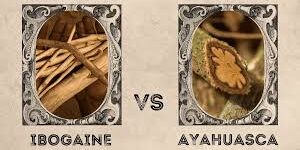
In recent years, interest in plant medicine retreats, psychedelic healing, and traditional spiritual therapies has grown significantly. Among the most talked-about entheogenic medicines are Iboga and Ayahuasca. While both have been used for centuries in sacred ceremonial settings and are known for their profound psychological and spiritual effects, they differ greatly in origin, experience, purpose, duration, and safety considerations.
If you’re exploring alternative healing modalities, understanding the differences between Iboga vs Ayahuasca can help you make a more informed decision about which path may align with your personal growth, healing goals, and wellness journey.
What Is Iboga?
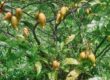
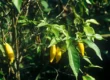
Iboga is a psychoactive plant medicine derived from the root bark of the Tabernanthe iboga shrub, native to Central West Africa, particularly Gabon, Cameroon, and the Republic of the Congo. It has been used for generations in the Bwiti spiritual tradition for rites of passage, healing ceremonies, and spiritual awakening.
The primary active compound in Iboga is ibogaine, a powerful psychoactive alkaloid known for inducing deep introspection and extended visionary experiences. Many individuals seek Iboga for its potential role in addressing addictive behaviors, emotional trauma, and deeply rooted psychological patterns.
Key Characteristics of Iboga
- Originates from Central West Africa
- Active compound: Ibogaine
- Ceremonies often last 24–36 hours or longer
- Intense introspective and analytical experience
- Traditionally used in Bwiti spiritual practices
- Commonly associated with addiction recovery support and personal transformation
Many participants describe the Iboga experience as a “life review,” where past memories, emotions, and behavioral patterns are examined in extraordinary detail.
What Is Ayahuasca?
Ayahuasca is a traditional Amazonian plant medicine brewed from the Banisteriopsis caapi vine and other plants, often including Psychotria viridis, which contains DMT (N,N-Dimethyltryptamine). Indigenous communities throughout Peru, Brazil, Colombia, and Ecuador have used Ayahuasca for centuries in healing, spiritual, and ceremonial contexts.
Known for its visionary qualities, Ayahuasca often facilitates emotional release, spiritual insights, and profound experiences of interconnectedness. Many people attend Ayahuasca retreats seeking emotional healing, self-discovery, and spiritual growth.
Key Characteristics of Ayahuasca
- Originates from the Amazon rainforest
- Contains DMT and MAO-inhibiting compounds
- Experiences typically last 4–8 hours
- Strong visual and emotional effects
- Used in indigenous healing traditions
- Popular for spiritual exploration and emotional healing
Participants frequently report vivid visions, encounters with symbolic imagery, and a heightened sense of connection to nature, self, and others.
Iboga vs Ayahuasca: Main Differences
Duration of the Experience
One of the most significant differences is the length of the journey.
Iboga ceremonies can last well over 24 hours, with some effects extending into several days. The experience is often mentally demanding and requires substantial preparation and integration.
Ayahuasca ceremonies, on the other hand, generally last between 4 and 8 hours, making them shorter and often more manageable for first-time participants.
Nature of the Experience
Iboga tends to produce a highly analytical and introspective state. Individuals often revisit memories, examine life decisions, and gain insight into long-standing behavioral patterns.
Ayahuasca is frequently described as more emotional, visionary, and heart-centered. Many participants experience symbolic visions, emotional catharsis, and spiritual revelations.
Traditional Uses
Iboga has historically been used in Bwiti initiation ceremonies and is often associated with deep psychological exploration and transformation.
Ayahuasca has been used by Amazonian healers for spiritual guidance, community healing, and connection with the natural world.
Safety and Considerations
Both Iboga and Ayahuasca are powerful substances that require careful screening, professional supervision, and responsible ceremonial practices.
Iboga carries significant physical risks and may affect cardiovascular function, making comprehensive medical evaluation essential before participation.
Ayahuasca also requires caution, particularly for individuals taking certain medications or managing specific health conditions. Dietary and medication restrictions are commonly recommended before ceremonies.
Anyone considering either medicine should consult qualified healthcare professionals and seek experienced facilitators who prioritize participant safety.
Which Plant Medicine Is Right for You?
Choosing between Iboga and Ayahuasca depends largely on your intentions, health profile, and personal goals. Those seeking deep self-analysis and examination of long-standing patterns may be drawn to Iboga, while individuals interested in emotional healing, spiritual connection, and visionary experiences often explore Ayahuasca.
Ultimately, both medicines offer unique opportunities for self-discovery and personal growth when approached with respect, preparation, and proper guidance.
Final Thoughts
The conversation around Iboga vs Ayahuasca continues to grow as more people explore plant medicine healing, psychedelic-assisted wellness, and holistic approaches to personal transformation. While both traditions have rich cultural histories and powerful reputations, they provide distinctly different experiences.
Understanding the differences between these sacred medicines can help you navigate your healing journey with greater clarity, awareness, and respect for the traditions from which they originate. Whether your focus is emotional healing, spiritual development, trauma recovery, or personal insight, informed decision-making is an essential first step toward a meaningful and transformative experience.