Ibogaine vs. Iboga Plant: What’s the Difference?
When researching natural wellness compounds and traditional African botanicals, one of the most common questions people ask is: What is the difference between ibogaine and the iboga plant? Although the two terms are often used interchangeably, they are not the same. Understanding the distinction between ibogaine vs. iboga plant is essential for anyone interested in their origins, traditional uses, scientific research, and potential therapeutic applications.
The iboga plant is a naturally occurring shrub, while ibogaine is one of the active alkaloids extracted from that plant. Knowing how they differ helps you make informed decisions and better understand the ongoing research surrounding these fascinating natural substances.
What Is the Iboga Plant?
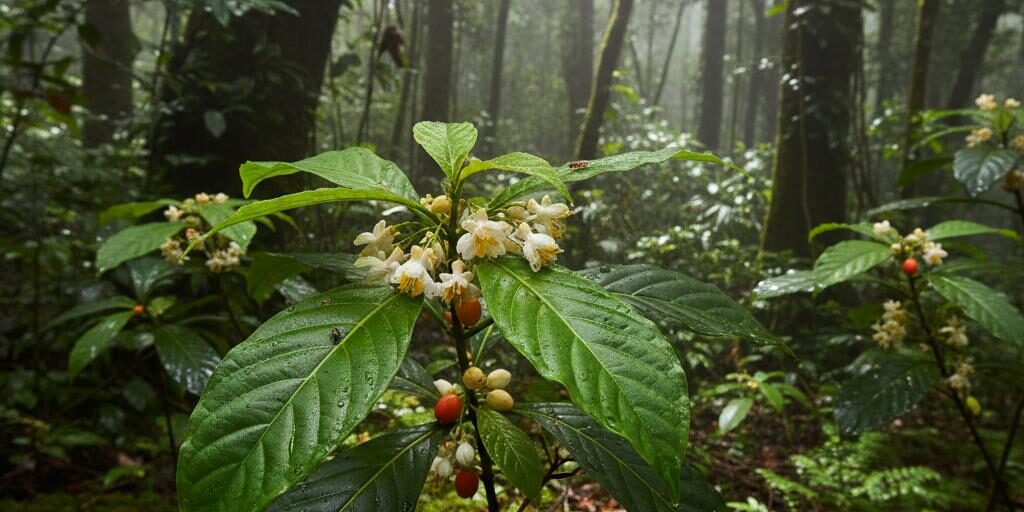
The iboga plant (Tabernanthe iboga) is an evergreen shrub native to the rainforests of Central and West Africa, particularly in Gabon, Cameroon, and the Republic of the Congo. For centuries, it has played an important role in the spiritual and cultural traditions of the Bwiti religion, where the root bark is used during ceremonial practices.
The plant naturally contains numerous alkaloids, including ibogaine, ibogaline, and tabernanthine. Because it contains multiple naturally occurring compounds, the whole plant offers a more complex chemical profile than any single isolated ingredient.
Traditionally, different parts of the iboga plant have been used in rituals and cultural ceremonies, although these practices differ significantly from modern scientific research.
What Is Ibogaine?
Ibogaine is the primary psychoactive alkaloid extracted from the root bark of the iboga plant. Unlike the whole plant, ibogaine is a purified compound that has become the focus of scientific investigations exploring its potential therapeutic properties.
Researchers have studied ibogaine for its unique effects on multiple neurotransmitter systems in the brain. This broad mechanism of action has generated interest in its potential role in addiction research and neurological studies. However, ibogaine remains subject to strict regulations in many countries, and its use should only occur in appropriate legal and medical settings where permitted.
Ibogaine vs. Iboga Plant: The Main Differences
Although closely related, several important differences separate ibogaine from the iboga plant.
Source:
The iboga plant is the complete natural shrub, while ibogaine is a single alkaloid isolated from the plant’s root bark.
Composition:
The iboga plant contains dozens of naturally occurring alkaloids and plant compounds. Ibogaine represents only one of these active constituents.
Preparation:
Traditional uses typically involve the natural root bark of the iboga plant, whereas ibogaine is produced through extraction and purification processes.
Research Focus:
Modern scientific studies primarily investigate purified ibogaine because researchers can more accurately measure dosage, effects, and safety compared to whole-plant preparations.
Why Is Ibogaine Different from Whole Iboga?
One reason the distinction matters is that whole botanical preparations contain multiple compounds that may interact with one another. Scientists often refer to this as the “whole-plant profile,” where several naturally occurring substances are present together.
Purified ibogaine, on the other hand, provides a standardized compound that allows researchers to study its specific effects under controlled conditions. This makes scientific research more consistent and reproducible.
Safety Considerations
Both the iboga plant and ibogaine require careful consideration because they can produce powerful physical and psychological effects. Ibogaine has been associated with potentially serious cardiovascular risks, including changes in heart rhythm. For this reason, medical screening and monitoring are considered essential in clinical settings where its use is permitted.
Individuals should never self-administer ibogaine or use products containing iboga without consulting qualified healthcare professionals and understanding the legal status in their country.
Final Thoughts
Understanding ibogaine vs. iboga plant begins with recognizing that they are related but fundamentally different. The iboga plant is a naturally occurring African shrub containing numerous alkaloids, while ibogaine is one purified compound extracted from that plant for scientific study and other regulated applications.
As research continues, interest in both the iboga plant and ibogaine remains strong among scientists studying neuroscience, pharmacology, and addiction. Whether you’re exploring their botanical origins or learning about ongoing research, understanding the difference provides valuable insight into one of nature’s most unique and widely discussed medicinal plants.