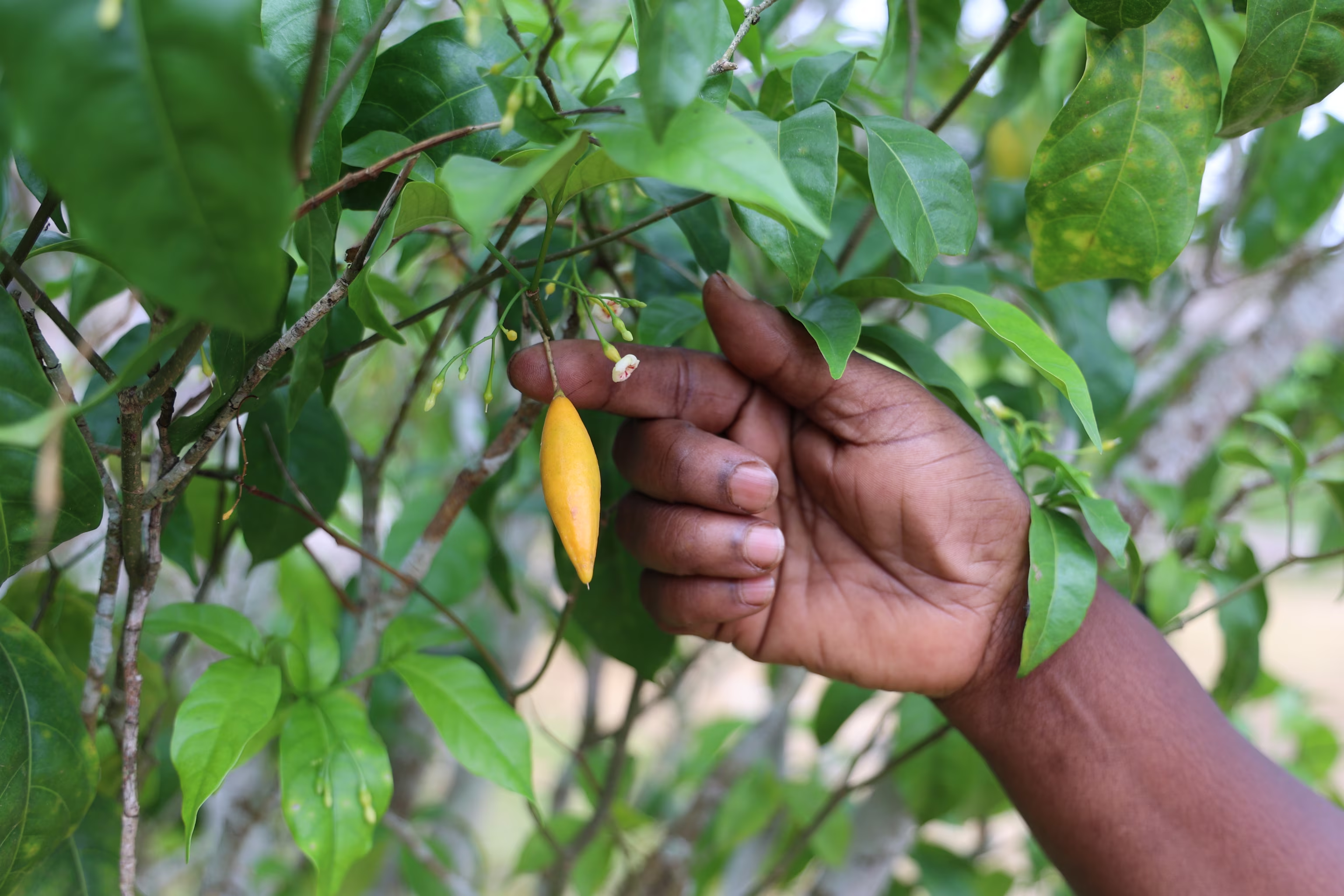
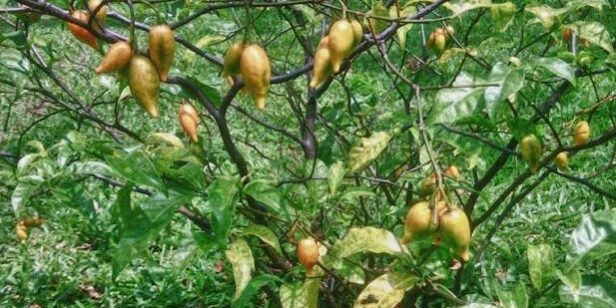
The iboga fruit comes from Tabernanthe iboga, a shrub native to parts of Central and West Africa. While the plant is best known internationally because of the psychoactive alkaloid ibogaine, the fruit itself is only one part of a plant with a long and culturally significant history.
Interest in iboga has grown considerably because of research into ibogaine and its potential relationship with substance-use disorders. However, it is important to distinguish traditional use, scientific research and medical claims.
What Is Iboga Fruit?
Iboga is an evergreen shrub traditionally associated with regions of western and central Africa. The plant belongs to the Apocynaceae family and has been used in traditional cultural and spiritual practices for generations.
The plant produces fruit, while its roots and root bark contain ibogaine and other indole alkaloids. Ibogaine is responsible for much of the modern interest surrounding the plant because of its psychoactive effects and complex activity across several neurotransmitter systems.
Iboga Fruit vs. Ibogaine
A common source of confusion is treating iboga fruit and ibogaine as the same thing. They are not.
Iboga is the plant, while ibogaine is a specific naturally occurring alkaloid associated primarily with the plant’s root bark. Scientific literature describes ibogaine as a psychoactive indole alkaloid with effects involving multiple neurological systems.
This distinction matters when researching iboga fruit benefits, traditional iboga uses or modern ibogaine research. Findings about purified ibogaine should not automatically be interpreted as evidence about eating or consuming iboga fruit.
Traditional and Cultural Importance
Iboga has an important place in the spiritual traditions of several Central African communities. Historical research describes its use in religious ceremonies, including practices associated with the Bwiti tradition.
This cultural history is an important part of understanding why iboga remains a subject of interest today. Modern discussions about iboga plants, ibogaine and psychedelic research should recognise that the plant has a cultural context extending far beyond contemporary wellness trends.
Why Is Ibogaine Being Studied?
Modern scientific interest has focused largely on ibogaine rather than the fruit itself. Researchers have investigated its complex effects on neurotransmitter systems and its potential role in substance-use research.
Animal studies have produced interesting findings concerning drug-related behaviours, but researchers have also identified significant safety concerns. Human evidence remains limited, meaning ibogaine should not be presented as a proven treatment for addiction.
Important Safety Considerations
The safety profile of ibogaine deserves particular attention. Research has linked ibogaine exposure with QT-interval prolongation, ventricular arrhythmias and sudden cardiac death. Reported risks may be greater for people with cardiovascular conditions or those taking interacting medications.
Because of these concerns, experimenting with iboga, ibogaine extracts or concentrated preparations without qualified medical supervision can be dangerous. The fact that a substance is plant-derived does not automatically mean it is safe.
What Does Current Research Tell Us?
Interest in ibogaine research continues because early findings suggest potentially important effects on addiction-related brain pathways. At the same time, researchers continue to investigate how its pharmacology, metabolism and safety profile affect its possible therapeutic applications.
For consumers, the key takeaway is to separate promising scientific questions from established medical evidence.
Final Thoughts on Iboga Fruit
The iboga fruit is part of a culturally significant African plant that has attracted worldwide scientific and public attention. Although the plant is strongly associated with ibogaine, the fruit itself should not be confused with purified ibogaine or assumed to provide the same effects.
If you’re researching iboga fruit, Tabernanthe iboga, traditional iboga uses or ibogaine research, rely on reputable scientific and medical sources. Most importantly, avoid treating anecdotal claims as established evidence, particularly where psychoactive substances and potential cardiac risks are involved.