If you are researching where to find iboga, the first step is understanding what iboga is, where it originates, how it has traditionally been used, and how it differs from ibogaine. Iboga, scientifically known as Tabernanthe iboga, is a shrub native to Central and West-Central Africa. Its root bark contains several naturally occurring alkaloids, including ibogaine, which has attracted considerable scientific interest.
Today, interest in iboga and ibogaine extends beyond traditional settings. Researchers continue to investigate ibogaine’s potential role in substance-use-disorder research. However, the evidence remains developing, and recent reviews emphasize that serious questions about efficacy, standardization, regulation, and cardiac safety remain.
Therefore, finding information about iboga should involve more than locating a commercial source. Understanding authenticity, legality, preparation, and safety is equally important.
What Is Iboga?
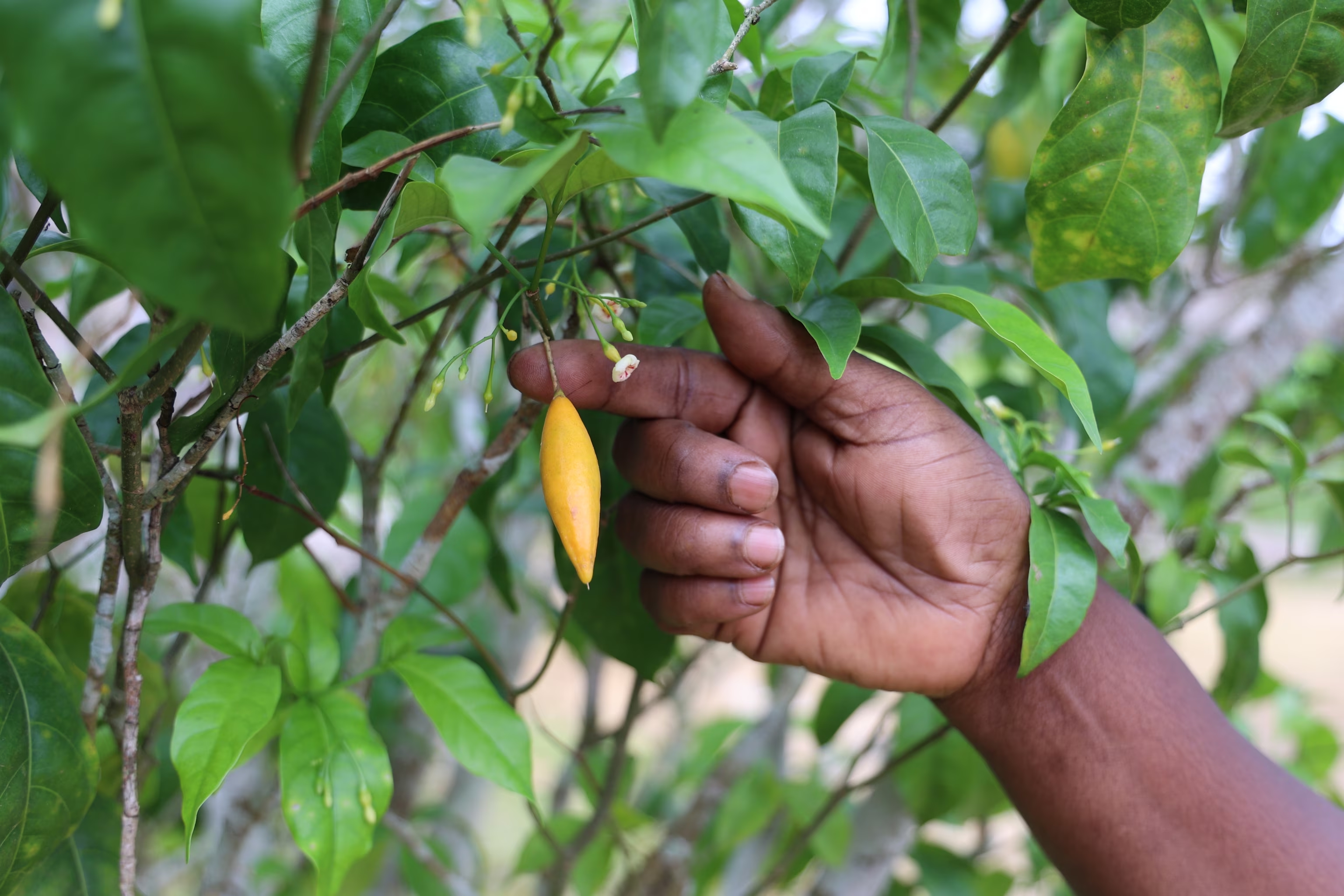
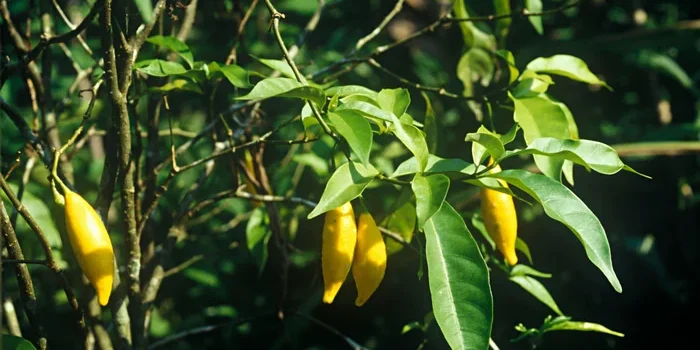
Iboga is an evergreen shrub belonging to the Apocynaceae family. It grows naturally in parts of Central and West-Central Africa, including Gabon, Cameroon, and the Republic of the Congo.
The plant has longstanding cultural importance among communities that practice Bwiti traditions. Historical and ethnobotanical research documents its use in spiritual and initiation ceremonies.
The root bark contains a complex mixture of alkaloids. Ibogaine is the best-known compound, although researchers have identified numerous other constituents in Tabernanthe iboga.
This distinction is important because iboga and purified ibogaine are not identical products.
Where Does Iboga Come From?
Natural iboga originates from tropical regions of Central Africa. Scientific literature identifies Tabernanthe iboga as a plant associated particularly with Central African countries, including Gabon and Cameroon.
Its geographical origin also explains why searches such as iboga Cameroon, iboga Gabon, and African iboga appear frequently among people researching the plant.
However, geographical origin alone does not establish the quality or safety of a particular preparation. Products can differ considerably in their botanical composition, processing, concentration, and storage.
Where to Find Iboga Information
People searching where to find iboga can begin with several reliable information sources.
Academic Research
Scientific publications provide information about iboga’s chemistry, traditional use, pharmacology, and potential therapeutic applications.
Researchers have studied ibogaine for decades, particularly because of observations involving substance-use disorders. Nevertheless, the most recent clinical literature continues to describe the evidence as exploratory rather than conclusive.
Ethnobotanical Resources
Ethnobotanical research can help readers understand the cultural history of iboga. This is especially useful for anyone interested in the relationship between Tabernanthe iboga and traditional Central African practices.
Professional Organizations
Healthcare and scientific organizations can provide additional information about psychoactive substances, clinical research, and potential risks.
Educational Iboga Websites
Specialized websites can also provide background information about iboga, its history, traditional context, and current research. However, readers should evaluate health claims carefully and distinguish educational information from medical advice.
Iboga vs. Ibogaine
One of the most common sources of confusion involves the terms iboga and ibogaine.
Iboga refers to the plant Tabernanthe iboga.
Ibogaine refers to a psychoactive alkaloid found naturally within the plant.
A whole-plant preparation can contain multiple alkaloids and other compounds. A preparation containing isolated ibogaine has a different chemical profile.
Consequently, information about iboga should not automatically be applied to purified ibogaine, or vice versa.
Why Are People Interested in Iboga?
Interest in iboga has several origins.
First, the plant has significant cultural and historical importance in Central Africa. Second, ibogaine has generated scientific interest because observational research has reported changes in withdrawal symptoms and substance-use-related outcomes.
Recent reviews, however, caution that much of the positive clinical evidence comes from observational, retrospective, or uncontrolled studies. A 2026 literature review concluded that stronger clinical trials are still needed to establish efficacy.
That distinction matters when evaluating online claims about iboga benefits or iboga treatment.
What Should You Look For When Researching an Iboga Source?
If you are evaluating information or a commercial organization connected with iboga, consider the following:
Botanical Identification
Look for the scientific name Tabernanthe iboga rather than relying solely on generic terms such as “African root” or “sacred plant.”
Laboratory Information
Independent laboratory analysis can provide information about composition and potential contaminants. Transparent documentation is preferable to unsupported claims about purity or potency.
Clear Labeling
A reputable information source should clearly distinguish iboga, iboga extracts, and ibogaine.
Legal Information
Laws governing iboga and ibogaine vary between jurisdictions. Before obtaining or using any psychoactive plant material, verify the regulations that apply in your location.
Evidence-Based Claims
Be cautious about websites that promise guaranteed addiction recovery, mental-health cures, detoxification, or other medical outcomes.
Scientific evidence does not currently justify treating ibogaine as a proven cure for substance-use disorders.
Iboga Safety: An Important Consideration
Anyone researching where to find iboga should also research safety.
Ibogaine has attracted particular concern because of its effects on cardiac electrical activity. Recent literature continues to identify QT-interval prolongation and ventricular arrhythmias as important risks.
Researchers have also documented serious cardiovascular events associated with ibogaine exposure, including reported cases of cardiac arrest.
For this reason, ibogaine should not be regarded as an ordinary herbal supplement. Medical evaluation and appropriate professional oversight are important considerations for anyone contemplating ibogaine-related treatment.
Is Ibogaine Proven to Treat Addiction?
Ibogaine remains an important subject of addiction research, but current evidence does not establish it as a proven treatment.
A 2026 review of three decades of clinical literature found that positive findings largely came from uncontrolled, retrospective, or observational research. The review also highlighted serious safety concerns, particularly cardiotoxicity associated with QT prolongation.
Therefore, terms such as iboga treatment, ibogaine treatment, and iboga for addiction should be approached as research topics rather than guarantees of therapeutic success.
About Ibogainee.com
For readers looking for an online resource dedicated to iboga information, Ibogainee.com can serve as a starting point for exploring educational material about iboga, its Central African origins, traditional background, and related subjects.
Before making decisions involving iboga or ibogaine, visitors should independently verify current laws, product information, laboratory documentation, and appropriate safety requirements.
Explore Ibogainee.com: Ibogainee.com
The goal should be informed decision-making rather than relying on promotional claims. Information from a commercial website should also be considered alongside independent scientific and medical sources.
Frequently Asked Questions About Iboga
Where can I find iboga?
Iboga originates in Central Africa and is associated with traditional practices in the region. People researching it can begin with academic, ethnobotanical, scientific, and educational sources.
Where does iboga grow naturally?
Tabernanthe iboga grows naturally in parts of Central and West-Central Africa. Scientific literature identifies countries including Gabon and Cameroon among its geographical origins.
Is iboga the same as ibogaine?
No. Iboga is the plant, while ibogaine is one of its naturally occurring psychoactive alkaloids.
What is iboga traditionally used for?
Iboga has a longstanding role in certain Central African spiritual and initiation traditions, particularly within Bwiti practices.
Is ibogaine safe?
Ibogaine can carry serious risks, particularly cardiovascular risks. Recent research continues to identify QT prolongation and potentially dangerous arrhythmias as important safety concerns.
Is ibogaine an approved addiction treatment?
Its regulatory status varies by jurisdiction, and current clinical evidence remains insufficient to establish ibogaine as a proven treatment for substance-use disorders.
How can I learn more about iboga?
Start with peer-reviewed scientific literature, ethnobotanical research, qualified healthcare professionals, and reputable educational resources such as Ibogainee.com.
Final Thoughts
The question where to find iboga has a broader answer than simply identifying a supplier. Iboga has deep cultural roots in Central Africa and contains a complex mixture of naturally occurring alkaloids, including ibogaine.
At the same time, modern research remains incomplete. Although ibogaine continues to attract interest in addiction research, recent reviews highlight limitations in the clinical evidence and significant cardiovascular safety concerns.
For anyone researching iboga, the best starting point is therefore education, evidence, legal awareness, and safety.
To explore additional educational information about iboga and related topics, visit Ibogainee.com and compare its information with independent scientific and medical sources.