
When headlines started circulating about Conor McGregor’s ibogaine treatment, interest in psychedelic-assisted healing surged almost overnight. For many people searching terms like ibogaine therapy, alternative trauma treatment, psychedelic healing, and ibogaine for addiction recovery, this became more than celebrity news—it became a conversation about transformation, resilience, and what healing can look like beyond conventional paths.
According to public reports, McGregor shared that he traveled abroad to undergo an approximately 36-hour ibogaine experience, describing powerful visions, emotional processing, and a feeling of personal renewal after years of physical and emotional strain. Public accounts linked the experience to reflection on trauma, recovery, and mental reset rather than athletic performance enhancement.
But Conor McGregor’s story is only one part of a broader trend.
Across recent years, a growing number of public figures have openly discussed experiences with ibogaine treatment, especially in conversations around addiction recovery, trauma healing, emotional wellbeing, and personal reinvention. Celebrity stories have helped introduce ibogaine to audiences who may never have encountered the term before.
Why Celebrity Ibogaine Stories Capture Attention
There is a reason these stories spread so quickly.
People relate to moments of struggle, breakthrough, and transformation. Whether the challenge is burnout, trauma, dependency, emotional exhaustion, or years of feeling stuck, stories of dramatic personal change naturally resonate.
Ibogaine itself comes from Tabernanthe iboga, a shrub native to West Africa. It has drawn scientific and clinical interest for its potential role in addiction treatment and mental health research, although research is still evolving and safety considerations remain significant.
Other public figures have also discussed ibogaine-related experiences:
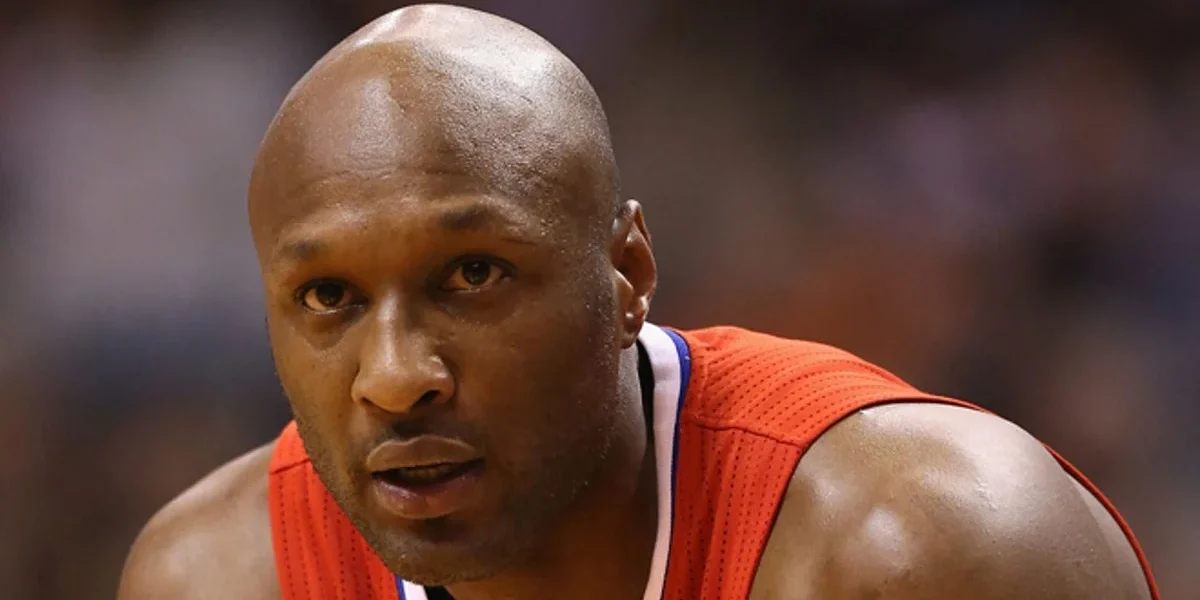
- Lamar Odom has spoken publicly about exploring ibogaine following addiction struggles and emotional challenges.
- Jordan Belfort described pursuing ibogaine after difficulties involving long-term opioid-related dependency.
- Hunter Biden has also discussed ibogaine in relation to addiction recovery experiences.
These stories often create visibility—but they rarely show the complete picture.
What Celebrity Stories Often Leave Out
The viral moments usually focus on dramatic experiences: vivid dreams, emotional release, spiritual insights, or breakthrough moments.
What receives less attention is the structure surrounding those experiences.
Responsible ibogaine programs often emphasize:
- Medical screening and cardiovascular assessment
- Medication review and treatment suitability
- Psychological preparation before treatment
- Continuous monitoring during treatment
- Recovery planning and post-treatment integration support
These elements are frequently highlighted by treatment providers because ibogaine can involve meaningful physiological effects and is not considered low-risk.
Online discussions also reflect mixed experiences—some individuals describe profound personal change, while others emphasize that outcomes vary and preparation, environment, expectations, and follow-up support matter significantly.
Beyond the Headlines
The interest around Conor McGregor ibogaine treatment, celebrity psychedelic healing, and alternative approaches to trauma recovery reflects something larger than celebrity culture.
People are searching for new conversations about healing.
Celebrity experiences can create awareness and curiosity—but long-term change is rarely defined by one dramatic moment alone. The broader message emerging from these stories is that meaningful transformation usually combines reflection, support, preparation, and sustained personal work.